Cerebras Eyes $4 Billion IPO as AI Demand Soars
AI defense tech secures new partnerships, Cerebras aims for a $4 billion IPO, and the Pentagon ramps up its AI integration efforts.

EDITION #147, May 1
AI defense tech secures new partnerships, Cerebras aims for a $4 billion IPO, and the Pentagon ramps up its AI integration efforts.
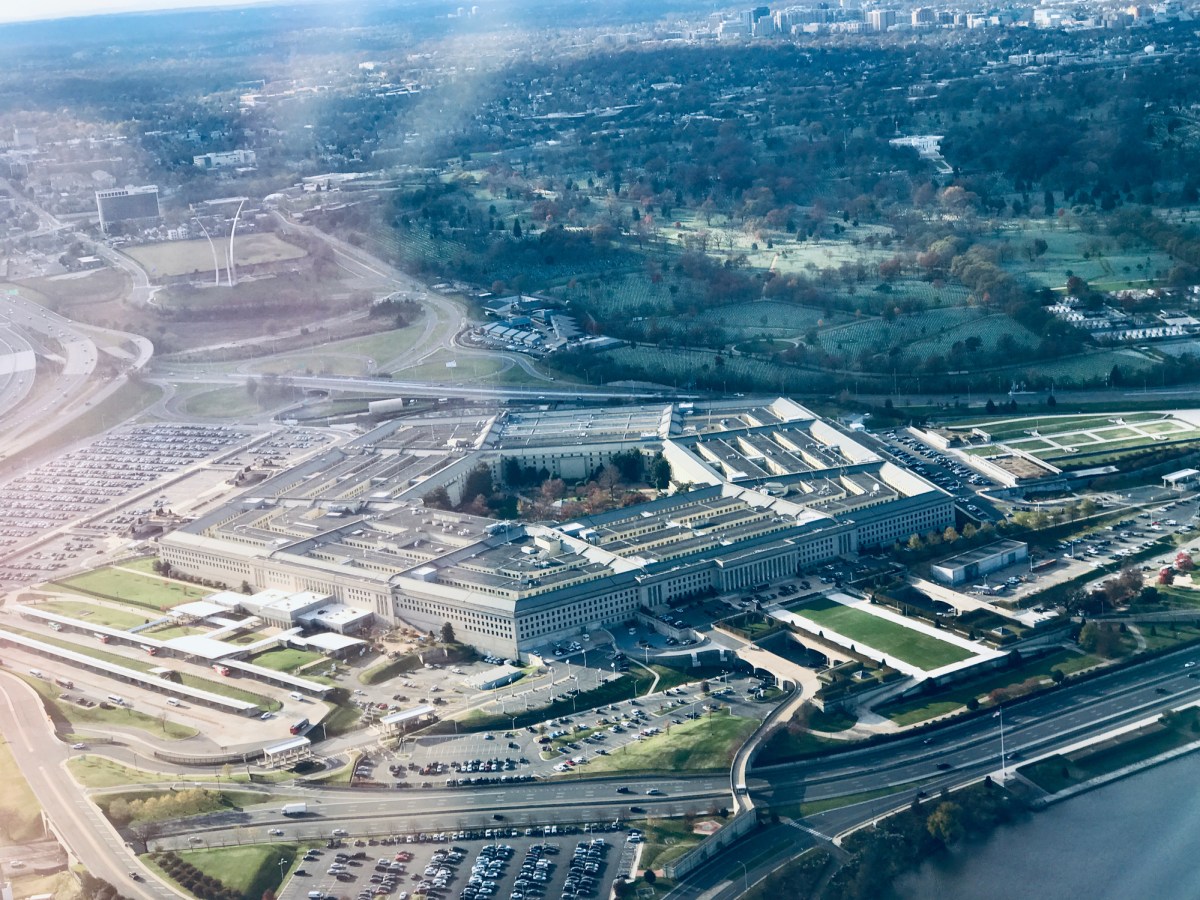
Image by TechCrunch
Key Developments in AI and Defense
The Pentagon has solidified its AI strategy by signing new agreements with Nvidia, Microsoft, and Amazon Web Services, aiming to deploy AI models on classified networks for operational use. This initiative, part of a broader push to diversify AI vendors, involves over 1.3 million personnel utilizing the secure GenAI.mil platform for various tasks. The agreements are designed to enhance decision-making capabilities across warfare domains while ensuring compliance with strict security protocols.
Additionally, the Pentagon has excluded Anthropic from these deals due to supply chain risks, despite the use of its Mythos AI by the NSA for identifying vulnerabilities in Microsoft products. This shift underscores the military's commitment to maintaining decision superiority while navigating complex vendor relationships.
- The Pentagon's new AI agreements aim to enhance operational capabilities across classified networks.
- Nvidia, Microsoft, and AWS are key players in this strategic push for AI integration in defense.
- Anthropic's exclusion from Pentagon contracts highlights ongoing concerns about supply chain risks.
- Mythos AI is currently being tested by the NSA to identify security flaws in Microsoft software.
Image Source: Bloomberg
IPO IN SIGHT
Cerebras Targets $4 Billion IPO Amid AI Demand
Cerebras Systems Inc. is preparing for an initial public offering (IPO) that could raise up to $4 billion, reflecting the surging demand for AI infrastructure. The Sunnyvale-based company, known for its innovative AI accelerators, is eyeing a valuation of around $40 billion as it gears up for formal marketing soon.
This move comes as investor interest in AI-focused hardware intensifies, with Cerebras aiming to capitalize on the growing need for advanced data center solutions.
Image by: TechCrunch
PENTAGON AI EXPANSION
Pentagon Partners with Major Tech Firms for AI Deployment
The U.S. Department of Defense has signed agreements with Nvidia, Microsoft, and Amazon Web Services to enhance AI integration on classified networks. This initiative follows prior deals with OpenAI and Google, aiming to diversify AI vendors and strengthen operational capabilities for military personnel.
The GenAI.mil platform, utilized by over 1.3 million users, will incorporate these advanced AI tools to improve decision-making and situational awareness. These developments come amid ongoing discussions about ethical guidelines and safeguards in AI deployment.

Image Source: TechCrunch
SECURITY ALERT
New Vulnerability in cPanel Exposes Linux Systems
A critical security flaw in cPanel and WHM, tracked as CVE-2026-41940, is currently being exploited by hackers. This vulnerability allows remote authentication bypass, granting full control over administration panels for millions of websites. Canada’s cybersecurity authority has issued warnings about the high probability of exploitation, urging users to apply patches immediately.
Hosting providers like Namecheap and HostGator have temporarily restricted access to cPanel/WHM interfaces to protect customers while they implement fixes. Users should verify they are running patched versions to safeguard their systems.

Image source: Ars Technica
AI PRIVACY PITFALLS
Navigating AI Challenges with Google Gemini
Google’s Gemini AI is now embedded in Gmail and Drive, raising significant privacy concerns. Users can opt out of AI training, but the process is convoluted; disabling Gemini Apps Activity also erases chat history. This lack of granular control means users may inadvertently disable essential Gmail features, as default settings favor data sharing for AI training.
As AI capabilities expand, users must navigate complex privacy controls. The Australian Prudential Regulation Authority is tightening AI-related oversight, reflecting a broader push for better security practices in tech. Companies like OpenAI are also responding to security needs by enhancing account protections for high-risk users, showcasing the urgent need for transparency in AI deployments.