Cerebras Systems Targets IPO as AI Demand Soars Amid Industry Turmoil
Tesla rolls out expanded robotaxi service, Nvidia faces gamer backlash over AI shifts, and Cerebras files for IPO ahead of IPO buzz.

EDITION #139, Apr 18
Tesla rolls out expanded robotaxi service, Nvidia faces gamer backlash over AI shifts, and Cerebras files for IPO ahead of IPO buzz.

Image Source: TechCrunch
This edition covers Tesla's expansion of its robotaxi service, Nvidia's gamer backlash amid its AI pivot, and Cerebras's IPO filing.
Tesla has expanded its robotaxi service to Dallas and Houston, following its launch in Austin last year. The rollout, announced on April 18, 2026, showcases vehicles operating without human drivers, although reports indicate that Austin has experienced 14 crashes since the no-safety-driver rides began in January 2026. Currently, Austin boasts around 46 active robotaxis, while Dallas and Houston have just one each.
Meanwhile, Cerebras has filed for an IPO on Nasdaq, aiming to raise capital after a previous attempt was scrapped in 2025. The company reported $510 million in revenue for 2025, with significant partnerships, including a $1 billion loan from OpenAI to enhance its data-center infrastructure.
- Tesla's robotaxi service now operates in Dallas and Houston, expanding its Texas footprint.
- Austin's robotaxi rides began in June 2025, with no-safety-driver rides starting in January 2026.
- Cerebras aims to go public with an IPO after a $1 billion Series H funding round in February 2026.
- Cerebras reported a 76% revenue increase year-over-year, highlighting its growth in the AI chip market.
Source: Reuters
IPO FILINGS HEAT UP
Cerebras Systems Files for IPO Amid AI Surge
Cerebras Systems has filed for a U.S. IPO under the ticker CBRS, marking its return to public markets after a prior withdrawal. The AI chipmaker reported impressive 2025 results, with revenue hitting $510 million and net income of $87.9 million, a significant turnaround from a $484.8 million loss the previous year. This filing reflects growing investor interest in AI hardware, particularly as Cerebras positions itself against competitors like Nvidia.
Key partnerships bolster Cerebras' market position: OpenAI has loaned the company $1 billion, while Amazon has committed to using Cerebras chips in its AWS data centers. The IPO, expected to enhance capital for expansion, comes amid a broader tech market recovery.

GAMERS UNHAPPY
Nvidia Faces Backlash from Gamers
Nvidia is experiencing significant backlash from its gaming community as the company shifts its focus towards AI and data-center growth. Gamers feel sidelined, especially as data-center revenue now accounts for approximately 91.5% of Nvidia's total income, overshadowing the GeForce gaming GPUs that once defined the brand. The introduction of DLSS 5 has also sparked controversy, with players arguing that AI-driven changes are altering the visual aesthetics of their favorite games.
Despite these concerns, Nvidia maintains that it remains committed to gaming innovation. However, analysts warn that the company’s pivot towards AI could mark a critical turning point in its relationship with its core audience, as the latest GeForce hardware updates may slow, potentially leading to a year without a new GPU generation.

Image Source: Reuters
ROBOTAXI EXPANSION
Tesla Expands Robotaxi Service to Texas Cities
Tesla has officially launched its robotaxi service in Dallas and Houston, following its Austin debut last year. This expansion allows for driverless rides in these new markets, with the company posting videos showcasing Model Y taxis operating autonomously. Although specific fleet sizes and pricing details remain undisclosed, the move aligns with Tesla's broader strategy to enhance its full self-driving capabilities.
As Tesla gradually removes human safety monitors from its vehicles, the rollout appears cautious, with reports indicating only a limited presence of robotaxis in the new cities. This development comes amid increasing competition in the autonomous ride-hailing sector, particularly from companies like Waymo and Zoox.

SECURITY BREACH
Vercel Compromised via Third-Party AI Tool
Vercel, a prominent cloud development platform, experienced a security breach linked to a compromised Google Workspace OAuth app associated with a third-party AI tool. This incident affected a limited number of customers and involved the exposure of sensitive data, including employee names and email addresses. Vercel has urged administrators to review activity logs and rotate environmental variables to mitigate risks.
As the integration of AI tools like OpenAI Codex becomes more common, the security implications are significant. Developers are advised to assess the security of any third-party AI tools they use, ensuring robust vetting processes are in place.
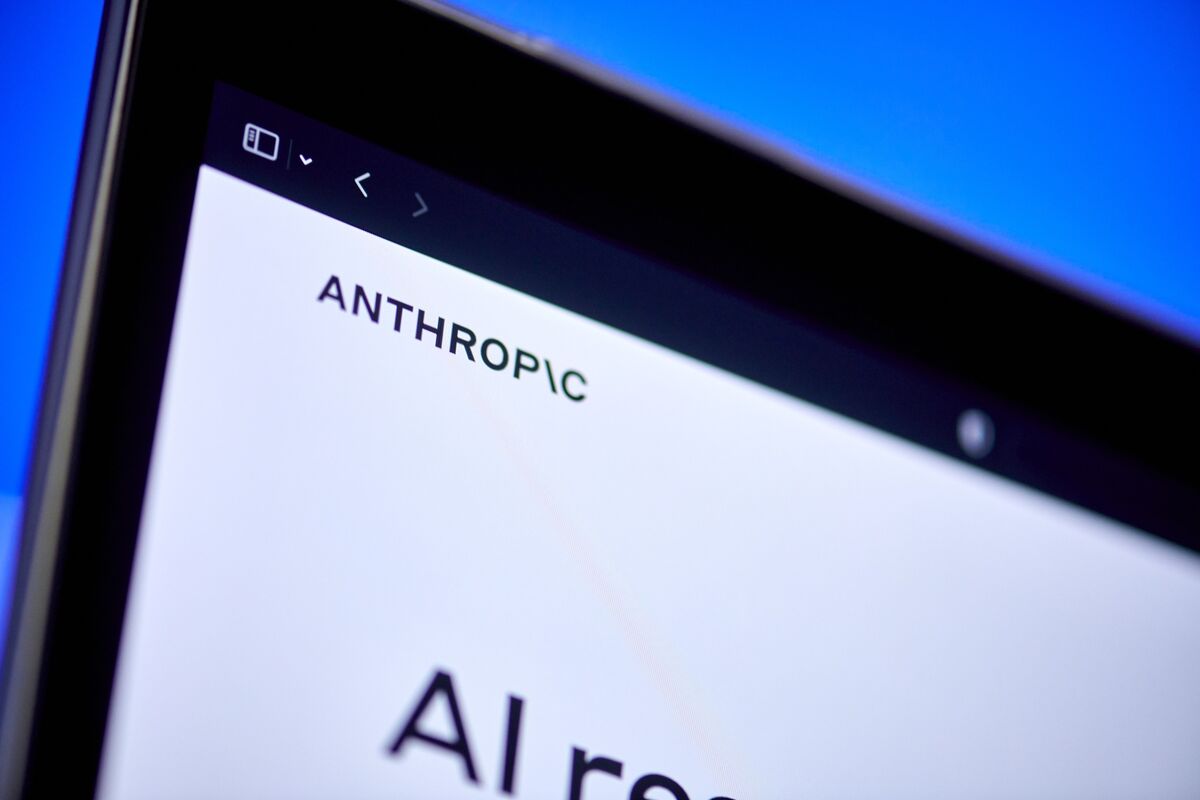
Image source: Bloomberg
AI IN THE REAL WORLD
When AI Meets Reality
The Financial Stability Board (FSB) is scrutinizing Anthropic's Mythos AI model for its potential cyber threats, as highlighted by Governor Tiff Macklem. This proactive approach aims to inform regulators about the risks associated with AI-driven cyber attacks, emphasizing the need for vigilance as AI technologies scale.
Meanwhile, the White House recently engaged with Anthropic's CEO Dario Amodei to discuss Mythos, focusing on national security and collaboration. The administration is keen on establishing safety protocols to mitigate risks, especially concerning military applications. As AI capabilities expand, the balance between innovation and security remains critical.