Google and Intel Forge New AI Partnership Amid Rising Security Concerns
Meta launches the Muse Spark AI model, Google and Intel deepen their AI infrastructure partnership, and SiFive secures $400 million for data-center chip development.
EDITION #135, Apr 9
Meta launches the Muse Spark AI model, Google and Intel deepen their AI infrastructure partnership, and SiFive secures $400 million for data-center chip development.

Image by: Reuters
Meta's Muse Spark, Google-Intel Partnership, SiFive Funding
Meta has launched Muse Spark, its first AI model from the newly formed superintelligence team, aiming to compete with leading models like OpenAI's. Initially available on Meta's AI app, it will soon replace Llama models across platforms. Meanwhile, Google and Intel are deepening their partnership, focusing on AI infrastructure with the latest Intel Xeon 6 chips to enhance data center efficiency. This collaboration is part of a broader strategy to meet the rising demand for AI workloads.
SiFive recently secured $400 million in funding, valuing the company at $3.65 billion, to develop custom CPU designs for data centers. This funding round, led by Nvidia and Atreides Management, positions SiFive to capitalize on the open-standard RISC-V architecture amidst increasing competition in the AI chip market.
- Meta's Muse Spark model aims to compete with OpenAI and Google’s Gemini.
- Google will deploy Intel's latest Xeon 6 processors for AI workloads.
- SiFive's $400 million funding will enhance its data-center chip technology.
- Nvidia and Atreides Management lead SiFive's funding round, valuing it at $3.65 billion.
Image via TechCrunch
AI PARTNERSHIP EXPANDS
Google and Intel Deepen AI Infrastructure Partnership
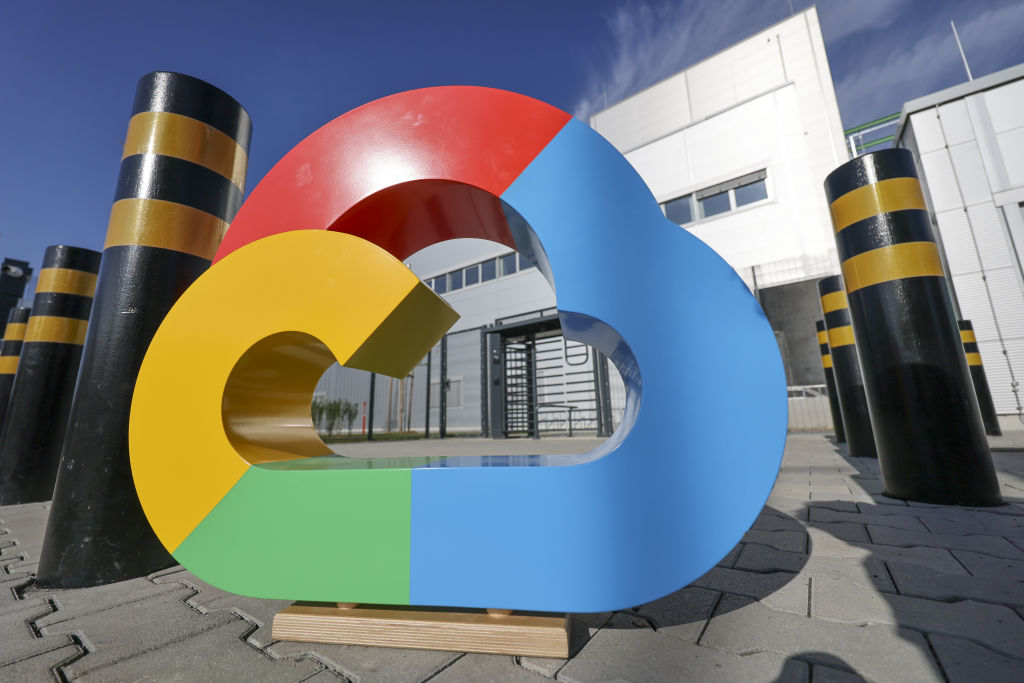
Google and Intel are enhancing their collaboration to strengthen AI infrastructure within Google Cloud. This multiyear partnership will see Google deploying Intel's latest Xeon 6 processors for both AI training and inference workloads, addressing the growing demand for balanced AI systems that combine CPUs and accelerators.
As part of this initiative, the companies will develop custom infrastructure processing units (IPUs) to manage data-center tasks more efficiently. Intel CEO Lip-Bu Tan highlighted that achieving scalable AI requires these balanced systems, particularly amid a CPU shortage.

Image Source: Reuters
FUNDING BOOST
SiFive Secures $400 Million for Data-Center Chip Development
SiFive has successfully raised $400 million in a funding round led by Atreides Management, with participation from Nvidia and others, valuing the company at approximately $3.65 billion. This capital will be directed towards developing a new central processor unit specifically designed for data centers, enhancing SiFive's RISC-V-based chip designs that clients like Google can customize.
The investment highlights the growing competition in the data-center semiconductor market, particularly against traditional giants like Arm. CEO Patrick Little noted that this funding round could be the last before an eventual IPO, underscoring the momentum behind SiFive's innovative chip solutions.

Image Source: TechCrunch
DATA BREACH ALERT
Mercor's Data Breach: AI Sector Wake-Up Call
Mercor, a $10B AI data-training startup, is reeling from a significant data breach that occurred on March 31, exposing approximately 4TB of sensitive data, including personal information and source code. This incident has prompted major players like Meta to pause contracts with Mercor, raising concerns about trust in AI partnerships.
The breach highlights the vulnerabilities tied to open-source tools like LiteLLM, emphasizing the need for stricter security protocols across the AI landscape. As companies reassess their relationships, the incident may accelerate shifts towards enhanced data governance and diversified vendor strategies.

Image by Wired
AI FUMBLE
Meta's Muse Spark Model
Meta has launched Muse Spark, its first major AI model since overhauling its AI program, aiming to compete with leaders like OpenAI and Anthropic. Initially available in the Meta AI app, Muse Spark is designed for complex queries in science, math, and health, but early tests reveal it struggles with coding and abstract reasoning, tying for fourth in AI benchmarks.
Despite its potential, Muse Spark's rollout raises privacy concerns, especially after reports of it requesting raw health data. Meta, backed by a substantial investment in Scale AI, is exploring monetization strategies, including API access, but it remains to be seen if Muse Spark can establish a reliable revenue stream.