AI Memory Prices Surge as Musk Pledges Transparency for X's Algorithm
AI memory prices soar, Elon Musk opens up X's algorithm, and OpenAI teams up with SoftBank for next-gen data centers.

EDITION #97, Jan 10
AI memory prices soar, Elon Musk opens up X's algorithm, and OpenAI teams up with SoftBank for next-gen data centers.
Image: Getty Images
Memory Prices Surge Amid AI Demand
January 10, 2026, marks a pivotal moment for the AI industry as demand for memory chips skyrockets, driven by Nvidia's latest GPUs. Micron, SK Hynix, and Samsung are reaping the benefits, with Micron's stock soaring 247% year-over-year. According to TrendForce, DRAM prices are projected to increase by 50%–55% this quarter, an unprecedented surge in the market.
In parallel, Elon Musk announced that X will open-source its algorithm in just seven days, allowing public access to the code behind post recommendations. This move follows scrutiny from the European Commission regarding X's algorithmic practices, which resulted in a €120 million fine for breaches of the Digital Services Act.
- Micron's stock surged 247% year-over-year due to AI memory demand.
- DRAM prices expected to rise 50%-55% in Q1 2026.
- Elon Musk's X to open-source its algorithm in seven days, including post recommendations.
- X faced a €120 million fine for Digital Services Act breaches.
Image Source: CNBC
PRICE SURGE ALERT
AI Memory Prices Skyrocket
The demand for AI memory is skyrocketing, driven by Nvidia's new Rubin architecture and AMD's latest chip advancements showcased at CES 2026. Memory vendors like Micron and Samsung are struggling to keep up, with forecasts predicting a staggering 50-55% increase in DRAM prices this quarter compared to Q4 2025. This surge is largely due to the rising need for high-bandwidth memory (HBM) in AI applications.
As AI integration into robotics and autonomous systems accelerates, companies like Waymo and Hyundai are pushing for more advanced memory solutions. The implications for manufacturers are significant, as the memory supply chain tightens and pricing pressures mount, impacting the entire tech ecosystem.

Image Source: Reuters
TRANSPARENCY BOOST
Elon Musk to Open Source X's Algorithm
Elon Musk has announced that X will open source its recommendation algorithm in just seven days. This release will include the code for both organic and paid post suggestions, part of a four-week cycle that aims to enhance transparency for users and developers. The move comes amid scrutiny from European regulators, particularly following a €120 million fine for transparency issues.
By making the algorithm public, Musk hopes to provide insight into how content is ranked and personalized. This initiative follows his previous commitment to open-source Twitter's algorithm, although skepticism remains due to past execution challenges.

Image Source: Reuters
AI INFRASTRUCTURE BOOST
OpenAI & SoftBank Invest $1 Billion in SB Energy
OpenAI and SoftBank are jointly investing $1 billion in SB Energy to accelerate the construction of OpenAI’s data centers, including a significant 1.2-gigawatt facility in Milam County, Texas. This partnership aims to enhance AI infrastructure, crucial for meeting the rising demand for AI computing capabilities.
Each company contributes $500 million, positioning SB Energy to develop and operate these facilities while also utilizing OpenAI's APIs and ChatGPT. The Stargate initiative, a broader $500 billion plan, reflects the urgent need for energy-efficient data centers as AI applications proliferate.
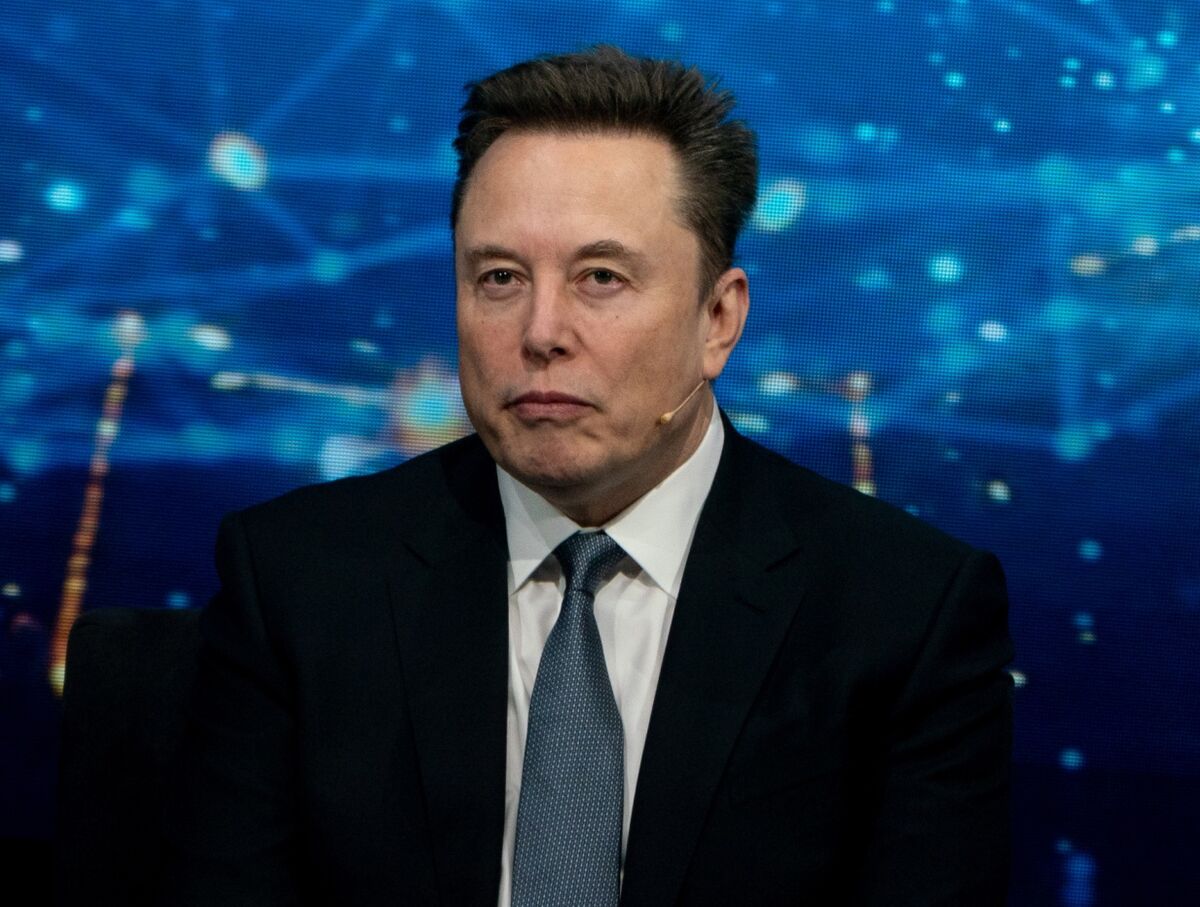
Image: Bloomberg
MUSK VS. REGULATIONS
Elon Musk's Grok Faces UK Backlash
Elon Musk's Grok AI tool is under fire from UK regulators, who are intensifying scrutiny over its ability to generate harmful content. Musk labeled the UK government as 'fascist' for its attempts to block Grok, arguing it suppresses free speech. This clash highlights the ongoing tensions between Musk's vision for AI and regulatory efforts aimed at ensuring online safety.
Despite Musk's pushback, UK regulators are not alone; countries like India and Malaysia have already blocked Grok due to concerns over non-consensual deepfakes. As scrutiny mounts, X (formerly Twitter) is expected to demonstrate effective safeguards against harmful outputs, or face potential fines.