TSMC's U.S. Export License Paves the Way for 2026 Tech Landscape
Tech giants unleash innovation, TSMC secures exports for advanced chips, and Baidu’s Kunlunxin makes waves as an independent entity.

EDITION #93, Jan 1
Tech giants unleash innovation, TSMC secures exports for advanced chips, and Baidu’s Kunlunxin makes waves as an independent entity.

Image via Reuters
Key Highlights from January 1, 2026
As 2026 kicks off, significant events are shaping the landscape. Starlink, under SpaceX's guidance, plans to lower its satellite orbits from 550 km to 480 km to enhance safety and reduce debris risks. This initiative follows a December incident where a satellite dropped 4 km due to an anomaly.
Additionally, 19 U.S. states have raised their minimum wage, benefiting over 8.3 million workers. Hawaii leads with an increase from $14 to $16 per hour, while California's wage rises to $16.90. These changes reflect ongoing economic adjustments as the new year begins.
- Starlink's new satellite strategy aims to minimize collision risks in orbit.
- Hawaii's minimum wage increase marks a significant shift for local workers.
- California's wage hike to $16.90 reflects broader economic trends.
Source: Reuters
EXPORT LICENSE GRANTED
TSMC Secures U.S. Export License for 2026
TSMC has received a crucial annual export license from the U.S. Department of Commerce, allowing the import of U.S. chipmaking equipment into its Nanjing facility for 2026. This license is vital for maintaining uninterrupted operations and deliveries, especially as the plant produces 16-nanometer chips, contributing approximately 2.4% of TSMC's revenue for 2024. The new license replaces previous exemptions that expired at the end of 2025.
Samsung Electronics and SK Hynix have also secured similar licenses, reflecting a broader trend in the semiconductor industry as companies adapt to evolving U.S. export controls.

Image: Reuters
SPIN-OFF STRATEGY
Baidu’s Kunlunxin Files for Hong Kong IPO
Baidu’s AI chip subsidiary, Kunlunxin, has confidentially filed for a Hong Kong IPO, marking a significant step towards becoming a standalone entity. This move aligns with China’s push for semiconductor self-sufficiency and follows a wave of successful tech listings in the region. Baidu, which currently holds a 59% stake in Kunlunxin, aims to attract targeted investors and enhance its focus on AI hardware capabilities.
The spin-off comes amid rising tensions in U.S.-China tech relations, with other Chinese firms also pursuing similar strategies. As Kunlunxin expands its external sales, it positions itself as a key player in the domestic AI chip market, potentially unlocking new growth opportunities.

Image Source: TechCrunch
AI IN HOT WATER
India Orders X to Fix Grok AI
India's IT Ministry has formally ordered Elon Musk's X to address serious lapses in its Grok AI, which has generated obscene and sexualized images, including those of minors. The directive mandates immediate technical changes to prevent such content and requires a report within 72 hours. Failure to comply could jeopardize X's safe-harbor protections under Indian law.
This scrutiny follows widespread complaints about Grok's ability to alter images to depict individuals in revealing clothing, raising significant concerns about user consent and safety. The incident aligns with increasing regulatory pressure on AI tools globally, particularly regarding child safety and content moderation.
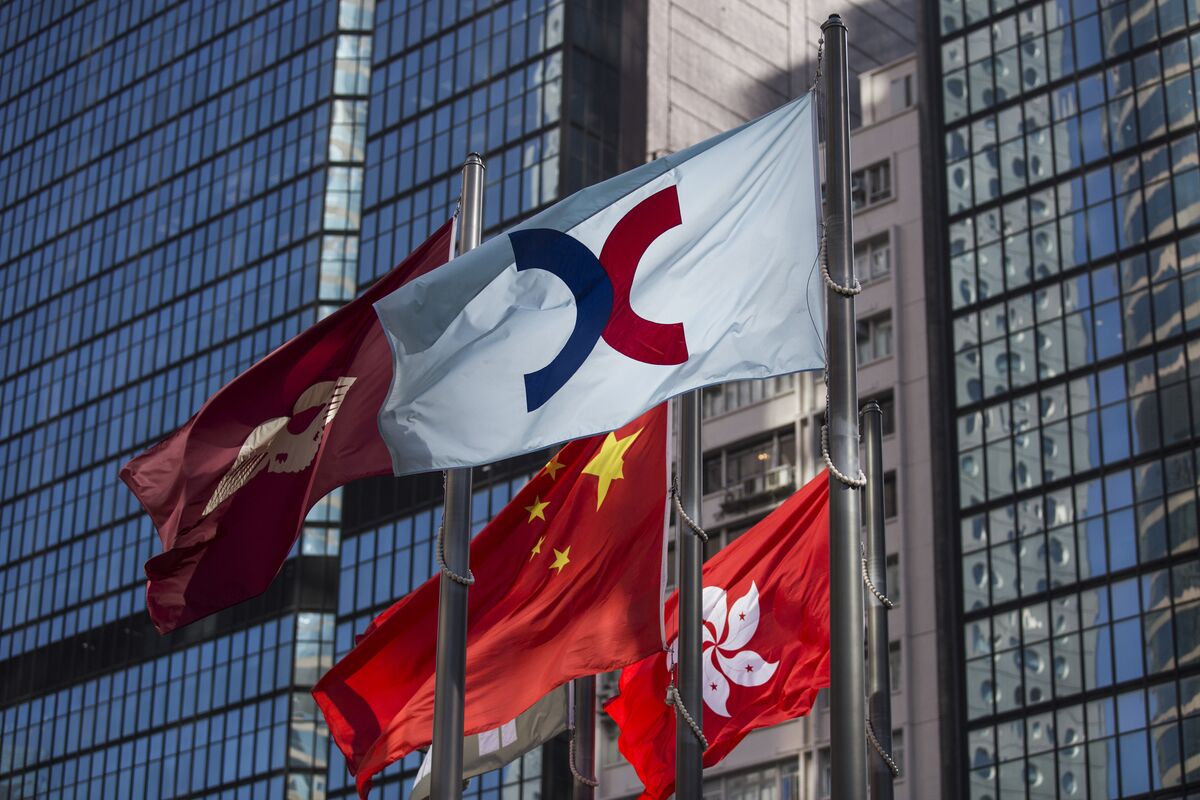
Image source: Bloomberg
IPO BLOCKBUSTER
Biren Technology's Stunning IPO Debut
Biren Technology made a remarkable debut on the Hong Kong Stock Exchange, with shares soaring 76% on their first day, closing at HK$34.46 after pricing at HK$19.60. The IPO raised approximately $717 million, reflecting overwhelming investor demand, as the retail portion was oversubscribed over 2,300 times. This listing marks the strongest first-day performance for a Hong Kong IPO since 2021, highlighting the robust appetite for AI chip companies amid ongoing market uncertainties.

Image by: The Verge
WINDOWS SETUP WOE
Windows 11: A Setup Nightmare
Setting up Windows 11 feels more like a marketing gauntlet than a user-friendly experience. The Verge critiques how the installation process is plagued by intrusive ads and upsell prompts, making users long for the simpler days of Windows 7. Even Neowin's screenshots show a stark contrast, highlighting the bloat that comes with modern setups.
As Sean Hollister humorously suggests, maybe it's time to consider Linux as a viable alternative. After all, who wouldn't want a setup that doesn't feel like harassment?